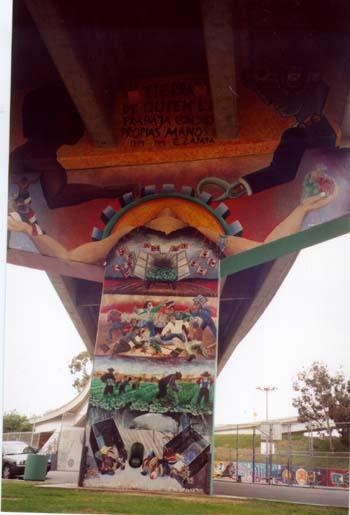
"Ode to Caltrans" by Hector Tobar
2. Summarize the reading in one brief paragraph; be specific in your summary. Remember that your classmates will rely on you for this information. 2 percent
The author, Hector Tobar, tells the story of the significance the highways and caltrans played in his life. He talks about the various memories he experienced on several Los Angeles area highways, from his wife giving birth to his stepfather's suicide. He vividly recalls all his sights and the thoughts that were running through his mind at the time. Tobar also acknowledges how the highways have changed, but his memories still remain.
3. Which was your favorite sentence or paragraph (include entire quote; use quote marks and page number)? 1 percent4.
"The freeway was a canyon of sound, something between wind and rushing water, as if the lanes were rapids filled with canoes that occasionally blasted a horn or screeched brakes." (p. 56)
Tobar puts significance into things many of us take for granted.
What did the reading make you think of? (be specific eg "There is a bridge in SF that spans 4 miles from SF to Oakland and in the middle of the bridge it crosses an island called Treasure Island. This story makes me think of that specific little island where I can see the entire city and bay area. That city was also in the news recently where .... ) .75 percent
The freeways and highways are something we take for granted, but we use them just about daily and that's how we get to the place we need to go. Living in Marin all my life, I know and these roads, and freeways and the story made me think about when I use to go visit family or go to beach. The memory that first came to mind, was the first I was going to Disneyland, and we were driving; I was so anxious to get there. We first arrived to Los Angeles, since I have family there, and I was amazed. There were so many people, and much more was going on than in Marin.
5. What is one thing you did not know before you started the reading that you now know (again, be specific using concrete examples)? 1 percent
I didn't know that when a roadway worker died, a Caltrans helmet was placed on the side of the freeway in their honor. From the reading too many of the workers were dying, so they stopped placing the helmets.
1. "Montalvo, Myths, and Dreams of Home" by Thomas Steinbeck
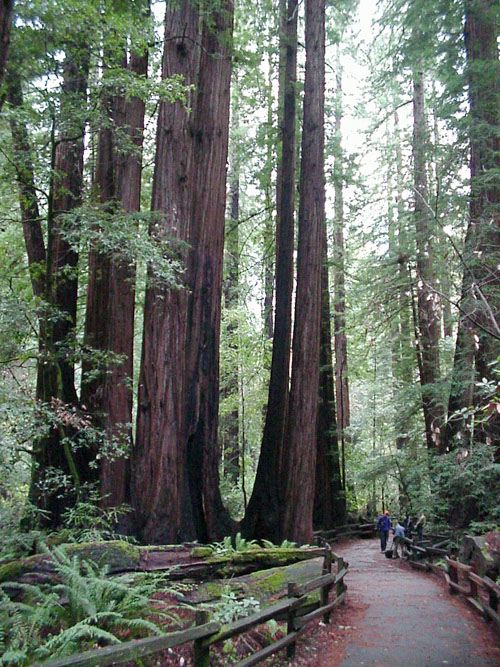
2. Steinbeck begins by giving a history of how California came to be named. The name came from a book written by Garcia Rodrigues de Montalvo. In his story was a lively description of a utopian island in which he named California. The Spaniards named both Baja and Alta California. He tells about the myth of California and then he begins to tell his own. He grew in Big Sur, which he loved and felt completely at peace. Steinbeck explores and defines the beauty of Californ
3. "If it can truly be said that one's spirit may be stimulated to accept the sublime by one locationas opposed to another, then for me that place exists high on the crests an along the rugged cliffs of The Big Sur." (p. 67)
4. I absolutely LOVE California. This book made me think about how much I love California and all the beauty this one state contains. Steinbeck found peace being in the cliffs of Big Sur, and it made me think of where I felt at peace. I thought of China Camp, in San Rafael. That place is so peaceful and whether you want to hike, walk or ride your bike, it's just a great atmosphere to be in.
5. I knew the Spaniards had named California, but I never knew where the name came from. Now I know, it comes from a story that Montalvo wrote in the 1500's. He described California as a paradise, and that's probably what the Spaniards thought when they saw California.
1. "The Last Little Beach Town" by Edward Humes
2. Seal Beach is a small town, where people know eachother and big companies don't own most of the streets. Humes describes how comforting it is to live in a place where you can trust the people that live in your same town. He also talks about how he came acroos Seal Beach. Humes is from the East Coast and came out to California for job; he didn't discover Seal Beach until later. Once he knew about Seal Beach he was "hooked." He writes about how much he enjoys living in Seal Beach.
3. "Except for sunny summer weekends, the beach is so wide it is possible to be lonely here, to feel small, to not hear the Nokia song chiming in someones pocket." (p.74)
4. My first thought went to Monterrey, California. I visited the Monterrey Bay Aquarium when I was nine, and I returned 2 months ago, just to visit. Monterrey is more touristical than Seal Beach, but it's still pretty small. It was nice being so close to the beach and just learning about the history of Monterrey. I would've loved to grow up near the beach because the ocean is truly amazing.
5. I didn't know Seal Beach existed. Humes makes it sound so incredible, that I want to take a drive down there.


 What are some assumptions/stereotypes you think people have of each location: 1 point
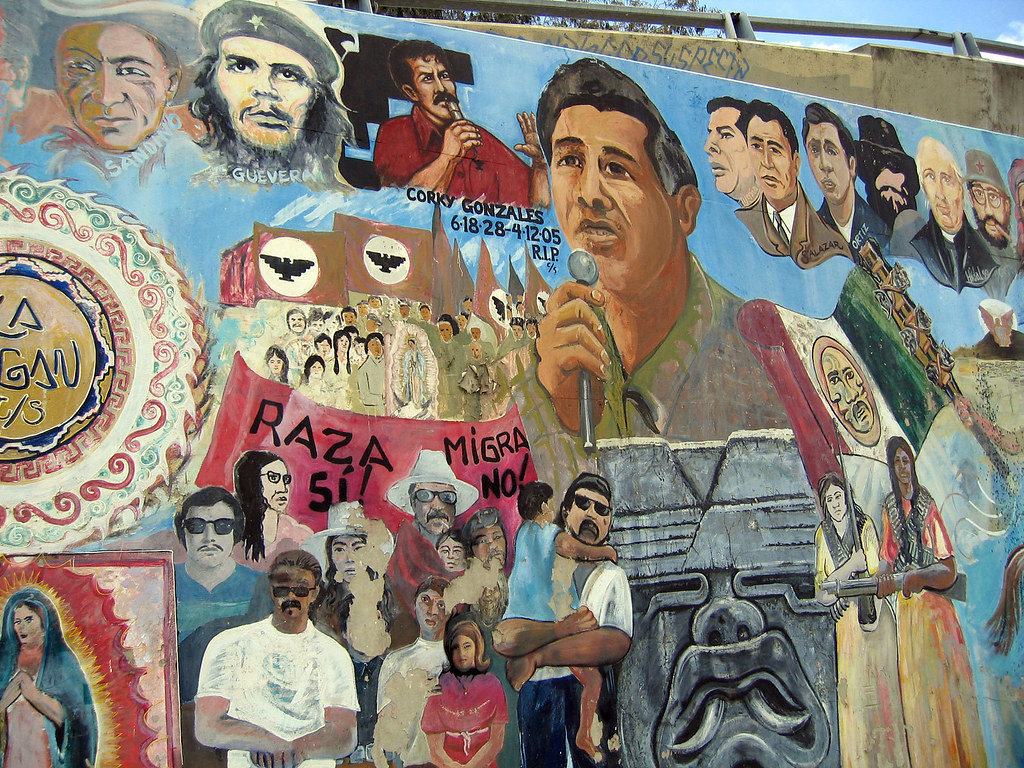 Observation: What did you choose? What do you see or hear or feel or think of in the choice you made? What is the subject of the work? If you chose a 'thing' what is the work made of and what techniques (colors, lines, shapes, textures)does the creator use? Be specific in your description. If you chose a place, be specific in your description of what you see or hear. Talk to your reader as though they cannot see the item but somehow must draw a painting of what you see or hear. 1 point